November 2, 2026
Caring for an aging canine companion requires intentional adjustments to keep them active, comfortable, and content throughout their golden years. A proactive preventive care plan addresses shifting physical stamina, dietary balances, and cognitive changes before minor concerns evolve into chronic issues. Partnering early with a local veterinarian provides the medical oversight necessary to preserve joint flexibility, maintain organ vitality, and promote overall longevity. By tailoring daily habits and living spaces to your older pet's evolving requirements, you ensure that every day ahead remains vibrant and joyful.
Recognize the Signs of Canine Aging
Canine aging brings observable shifts in energy, mobility, and personality that attentive owners can identify early. Many dogs show subtle indications of stiff limbs after rising, graying coats, diminished stamina on walks, and alterations in their typical sleep cycles. Cognitive shifts may also emerge, including disorientation in familiar spaces, heightened hesitation around household obstacles, and reduced enthusiasm for play. Noting these transitions promptly allows families to adapt everyday routines and implement supportive modifications before discomfort accelerates. Timely intervention ensures that subtle physical limitations do not diminish your faithful companion's daily enthusiasm for life.
Understand the Genetic Factors in Senior Health
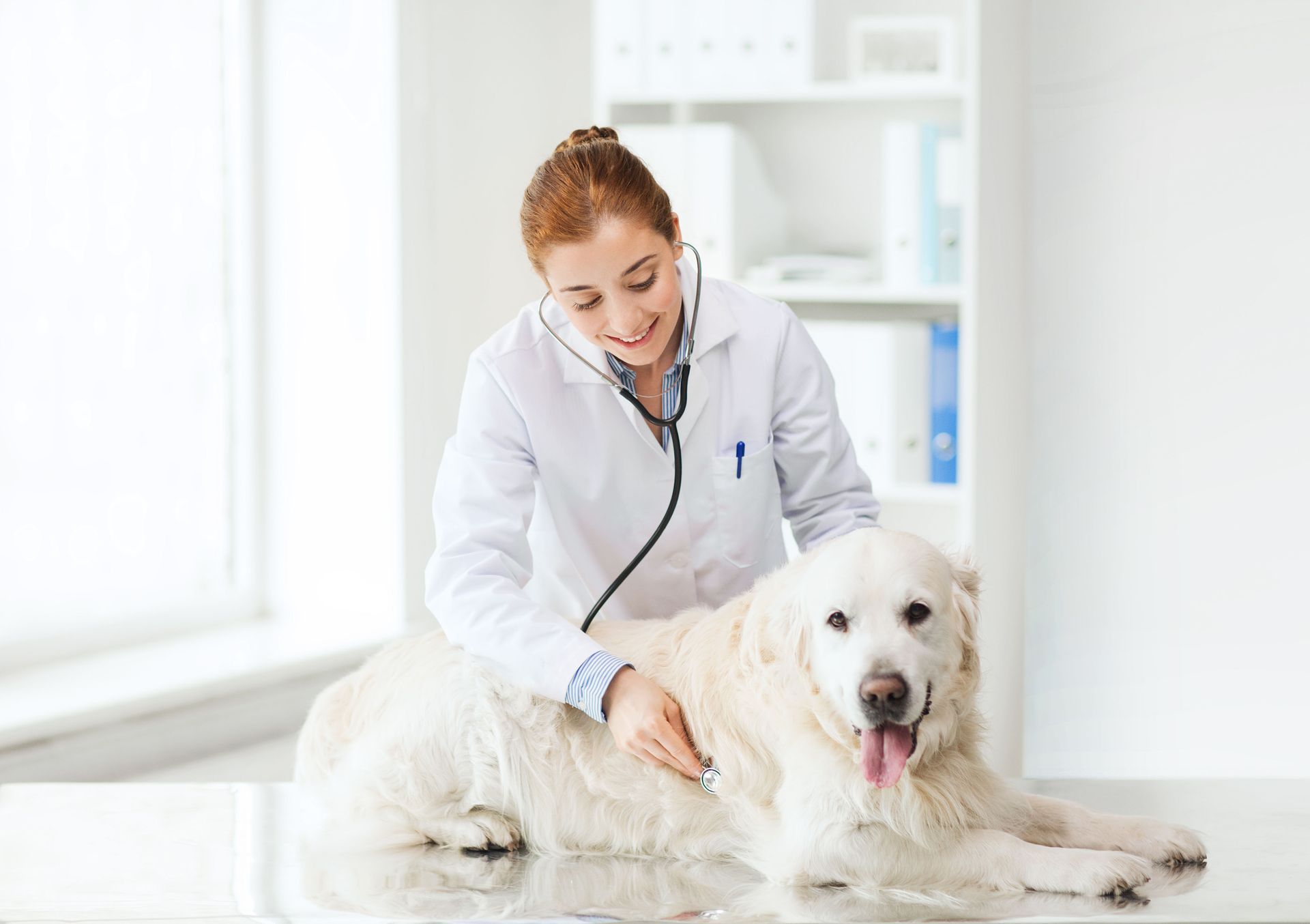
Every dog ages at a distinct tempo shaped significantly by breed size, heritage, and underlying genetic predispositions. Giant and large breeds often encounter degenerative joint concerns and cardiac vulnerabilities earlier in life than small companion breeds. Small dogs enjoy extended life spans but frequently face metabolic shifts, dental vulnerabilities, and endocrine changes in their twilight period. According to the AHAA, older dogs should see their veterinarian for checkups once or twice a year to monitor these breed-specific risks closely. Proactive owners who understand their pet's genetic background can craft specialized preventive strategies that effectively counter known family health tendencies.
Modify Nutrition and Caloric Intake
A slowing metabolism and reduced physical exertion mean older dogs generally burn fewer daily calories than energetic younger pups. Continuing to feed calorie-dense adult formulas often leads to weight gain, which places severe mechanical stress on aging joints and burdens the cardiovascular system. Adjusting meals to provide high-quality, digestible proteins preserves lean muscle mass while dietary fiber promotes smooth gastrointestinal function and steady digestion. Measuring daily portions accurately prevents insidious weight gain and ensures your companion receives targeted micronutrients designed for mature metabolisms. Formulating an age-appropriate feeding strategy with your local veterinarian keeps vital organs functioning properly without introducing unnecessary caloric burdens.
Incorporate Targeted Dietary Supplements
Targeted nutritional supplementation supplies essential cellular support that standard commercial kibble might lack for aging canines. Glucosamine, chondroitin sulfate, and green-lipped mussel extracts support cartilage integrity and ease joint friction caused by years of active movement. Omega-3 fatty acids derived from cold-water fish oils reduce systemic inflammation while nourishing skin, coat condition, and neurological function. Probiotics and digestive enzymes optimize nutrient assimilation, helping senior digestive tracts absorb maximum nourishment from each meal. Introducing these therapeutic compounds under professional guidance protects vital systems and enhances physical comfort without causing unwanted digestive distress.
Establish Low-Impact Daily Exercise Routines
Preserving muscular strength and cardiovascular endurance requires steady, gentle physical movement tailored to changing stamina limits. Multiple short strolls on level, grassy surfaces provide wonderful aerobic conditioning without placing excessive concussion on worn joint surfaces. Swimming serves as an exceptional zero-impact activity that strengthens back muscles, improves circulation, and expands range of motion safely. Gentle indoor search games and leisurely scent walks allow older dogs to burn mental energy while moving comfortably at their own pace. Consistent moderate motion lubricates stiff joints, prevents muscle wasting, and keeps your elderly companions cheerful and engaged with their environment.
Stimulate Cognitive Function Through Play
Mental engagement remains just as vital as physical exertion for keeping senior dogs sharp, curious, and emotionally fulfilled. Introducing food puzzles, snuffle mats, and textured treat mazes challenges problem-solving abilities and slows age-related cognitive decline. Teaching simplified, low-strain training tricks reinforces focus, triggers positive dopamine release, and builds confidence in older pets. Regular sniffing excursions in novel environments offer sensory stimulation that keeps the canine brain actively processing fresh information. Dedicating time to gentle, focused brain games fosters joy, prevents depressive lethargy, and strengthens the lifelong communication bond between you.
Schedule Routine Preventive Clinical Screenings
Proactive clinical evaluations detect silent internal shifts long before physical distress signs appear on the surface. Comprehensive geriatric profiles encompassing blood chemistry panels, complete blood counts, and urinalysis reveal early organ dysfunction in the kidneys or liver. Diagnostic blood pressure screenings and cardiac evaluations identify circulatory stress before it manifests as severe exercise intolerance or respiratory distress. Attending scheduled appointments with your dedicated local veterinarian provides baseline diagnostic data that makes even subtle health variations easy to pinpoint. Early clinical intervention consistently yields better management options, superior pain control, and significantly enhanced comfort over time.
Maintain Thorough Preventive Parasite Control
Mature immune systems experience gradual functional decline, leaving older dogs more susceptible to debilitating vector-borne illnesses and parasitic infections. Year-round defense against heartworms, fleas, ticks, and intestinal worms remains indispensable throughout every stage of advanced age. Ticks carry crippling pathogens like Lyme disease and anaplasmosis that cause acute joint pain and exacerbate preexisting arthritis symptoms. Flea infestations trigger intense allergic dermatitis, self-trauma, and unnecessary stress in dogs dealing with sensitive or thinning skin. Consulting your local veterinarian ensures your pet receives gentle, highly effective preventative medications matched safely to their age and organ health profile.
Prioritize Comprehensive Periodontal Care
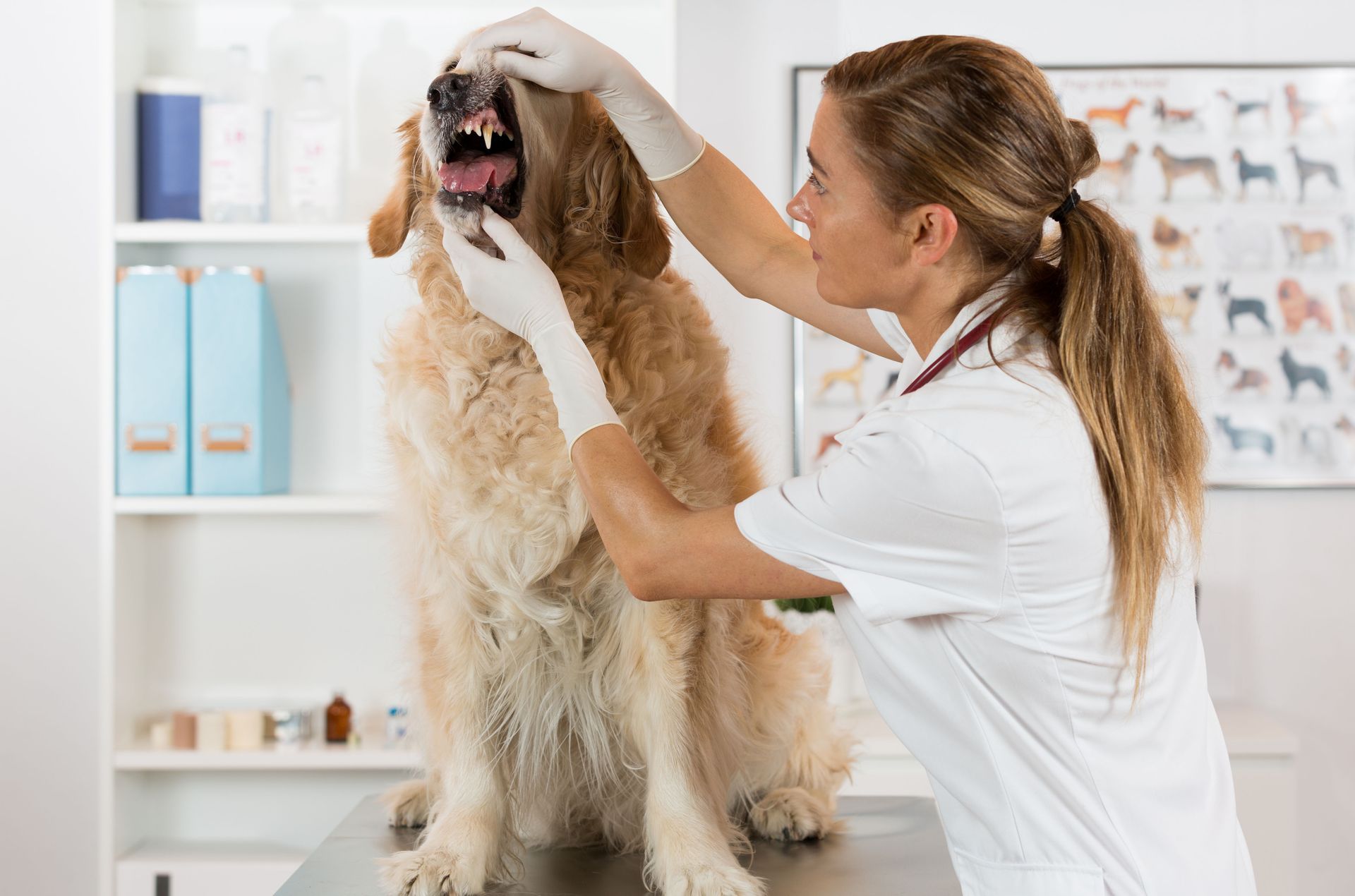
Dental health directly impacts systemic vitality, yet oral hygiene is frequently neglected until painful, advanced disease takes hold. Decaying teeth, inflamed gums, and deep periodontal pockets harbor aggressive bacteria that seep into the bloodstream during chewing. These circulating oral pathogens place tremendous strain on aging kidneys, livers, and cardiac valves, accelerating degenerative organ failures. Daily tooth brushing, dental chews, and periodic professional cleanings eliminate tartar accumulation and eradicate chronic oral discomfort. Regular oral examinations by a competent local veterinarian ensure subtle tooth root abscesses are caught and treated before causing chronic pain.
Monitor Shifts in Chronic Health Conditions
Many senior animals successfully manage enduring health conditions like osteoarthritis, early renal disease, or endocrinopathies with disciplined daily oversight. Keeping an organized household log that documents changes in thirst, appetite, respiratory rate, and posture helps families identify subtle health fluctuations. Noting medication reactions, behavioral changes, or newfound mobility struggles allows medical professionals to adjust therapeutic doses accurately. Reviewing these daily log details alongside a knowledgeable local veterinarian guarantees personalized palliative adjustments that preserve everyday vitality. Steady, coordinated supervision transforms chronic senior health diagnoses into completely manageable aspects of a peaceful, well-supported daily life.
Developing a comprehensive care strategy transforms the aging process from an anxious phase into a deeply rewarding chapter filled with mutual devotion and comfort. Consistent attention to appropriate nutrition, adapted movement, home accessibility, and timely diagnostic checkups empowers your aging companion to flourish comfortably every single day. Taking intentional preventive actions today prevents avoidable suffering and rewards your dog's unconditional devotion with the gentle, dignified elder years they rightfully deserve. Scheduling regular comprehensive examinations with a qualified local veterinarian ensures every therapeutic, dietary, and diagnostic adjustment is applied with maximum efficacy. For compassionate, expert guidance tailored to every stage of your senior companion's golden years, contact Western Animal Hospital today to schedule your pet's preventive wellness visit.