June 30, 2026
The bond between humans and their animal companions has evolved into a profound relationship built on unconditional love, mutual trust, and shared lifetimes. As cherished members of the family, these companions deserve healthcare that reflects their status in our hearts and homes. Navigating the journey of companionship requires a dedicated partner capable of addressing every medical, emotional, and physical need that arises across a lifetime. This is where modern veterinary medicine steps forward, offering an all-encompassing sanctuary for healing and protection. By blending sophisticated medical science with deep empathy, modern veterinary centers ensure that our beloved companions live vibrant, comfortable, and lengthy lives alongside the individuals who cherish them. The role of dedicated veterinary institutions has expanded significantly, moving beyond simple treatments to encapsulate holistic well-being, preventative shield generation, and advanced surgical restoration. Understanding the depth of services available is essential for any dedicated guardian who wishes to secure the finest possible quality of life for their non-human family members.
Delivering Comprehensive Medical Solutions
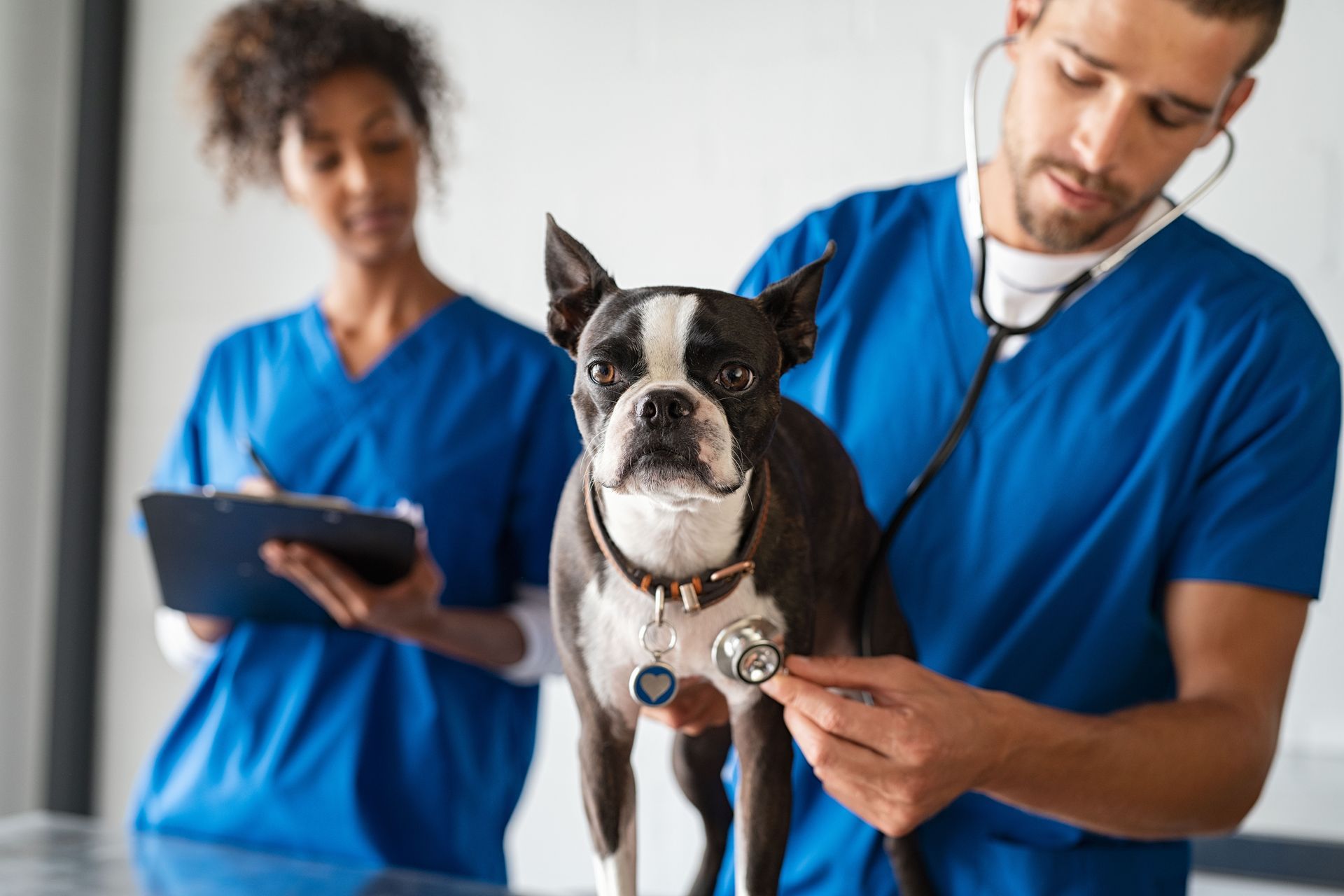
The cornerstone of modern veterinary medicine lies in the ability to address the diverse physiological needs of various species under a single roof. Modern animal hospitals serve as centralized hubs where general medicine intersects with specialized care. From the initial juvenile consultations to the nuanced requirements of senior companions, these facilities provide a seamless continuum of care. General practitioners within these establishments manage routine examinations, dermatological concerns, nutritional guidance, and metabolic screenings. By maintaining detailed historical health records, practitioners can notice subtle shifts in baseline health that might otherwise escape notice. This holistic oversight ensures that potential health hurdles are identified and addressed long before they diminish a companion's quality of life.
Furthermore, internal medicine specialists within these facilities manage complex, chronic conditions such as endocrine disorders, hepatic diseases, and renal challenges, ensuring that even the most delicate cases receive precise, evidence-based management. The integration of various medical disciplines allows for fluid collaboration, meaning a patient suffering from simultaneous conditions receives a unified treatment strategy rather than disjointed therapies. This collaborative approach enhances diagnostic accuracy and ensures therapeutic interventions do not conflict with one another, thereby safeguarding the patient's overall stability. Juvenile animals require specific immunization scheduling, developmental monitoring, and behavioral baseline setting to guarantee a healthy transition into adulthood. Conversely, senior companions face a distinct set of challenges, including cognitive decline, osteoarthritis, and metabolic slowing, which are managed via tailored care plans.
Coordinating Advanced Diagnostic Testing
An accurate diagnosis is the foundation of any successful treatment plan, and modern veterinary facilities are equipped with sophisticated technology that rivals human medical centers. When a companion is under the weather, they cannot articulate their discomfort, making objective diagnostics absolutely vital. Advanced animal hospitals utilize digital radiography, ultrasonography, and comprehensive in-house laboratory testing to peer beneath the surface and uncover the root causes of illness. Digital X-rays allow veterinary teams to evaluate skeletal structures and thoracic cavities within moments, minimizing the time a stressed companion must spend on the examination table.
Ultrasonography provides a dynamic, real-time look at soft tissue structures, enabling the precise evaluation of abdominal organs and cardiac function. This non-invasive imaging modality is critical for identifying internal anomalies or structural changes within organs without causing discomfort to the patient. In-house laboratories complement these imaging modalities by processing blood chemistry profiles, complete blood counts, and urinalysis within minutes. This rapid diagnostic turnaround is crucial for formulating immediate, targeted therapeutic interventions that save lives and alleviate suffering, especially during acute illnesses where delayed answers could lead to systemic deterioration. Endoscopy allows for minimally invasive visualization and biopsy of the gastrointestinal or respiratory tracts, often eliminating the need for exploratory surgery.
Safeguarding Wellness Through Prevention
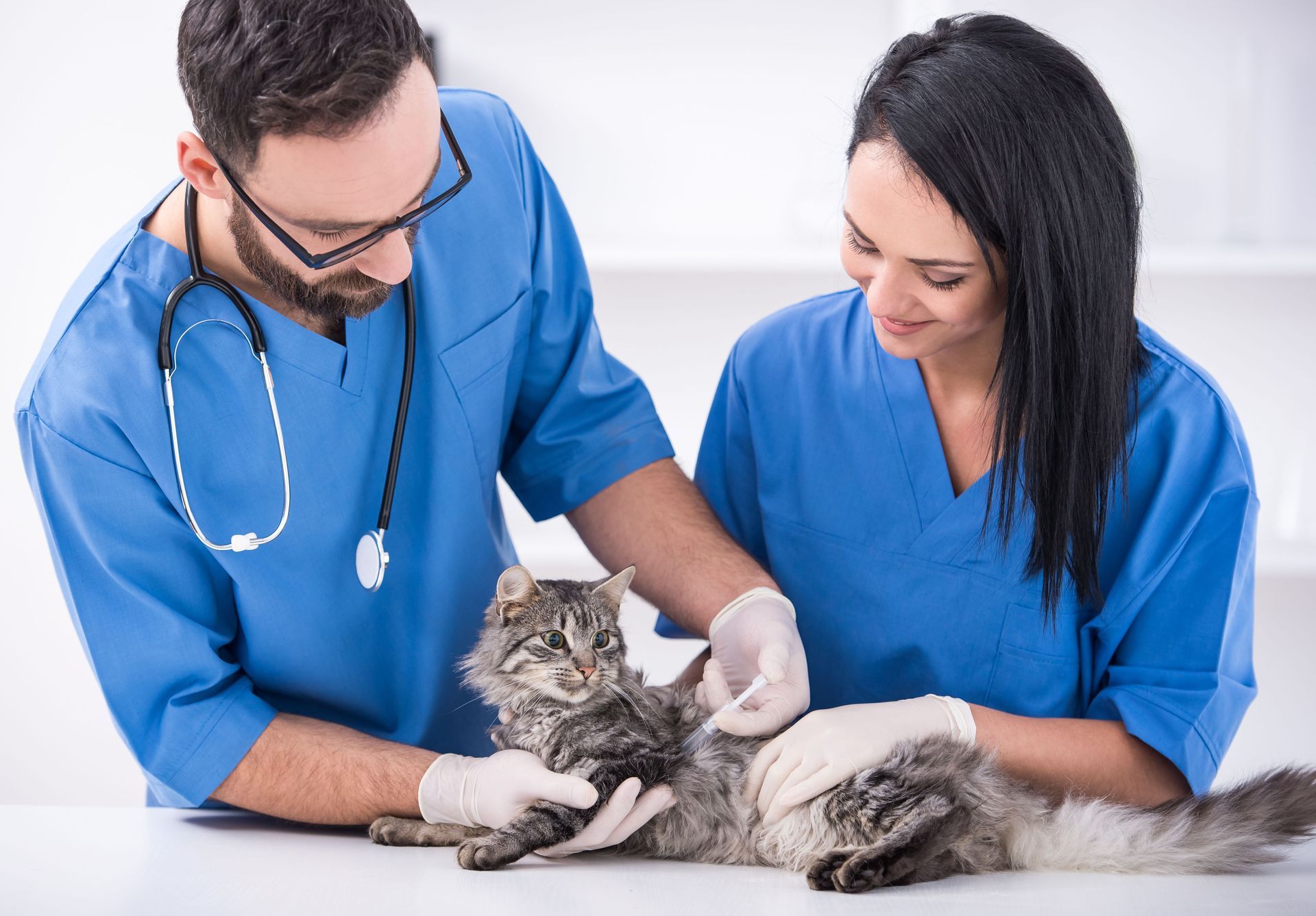
Preventing disease before it takes root is always more compassionate and effective than treating an established illness. Comprehensive wellness programs form the bedrock of preventative care, tailored carefully to the specific lifestyle, age, and breed of each individual companion. Regular physical examinations allow veterinary professionals to evaluate ocular health, dental integrity, cardiac rhythms, and joint mobility. Immunization protocols are meticulously designed to protect against regional infectious threats while avoiding unnecessary over-vaccination. Parasite prevention is another critical pillar, shielding companions from internal organisms and external pests that carry debilitating diseases.
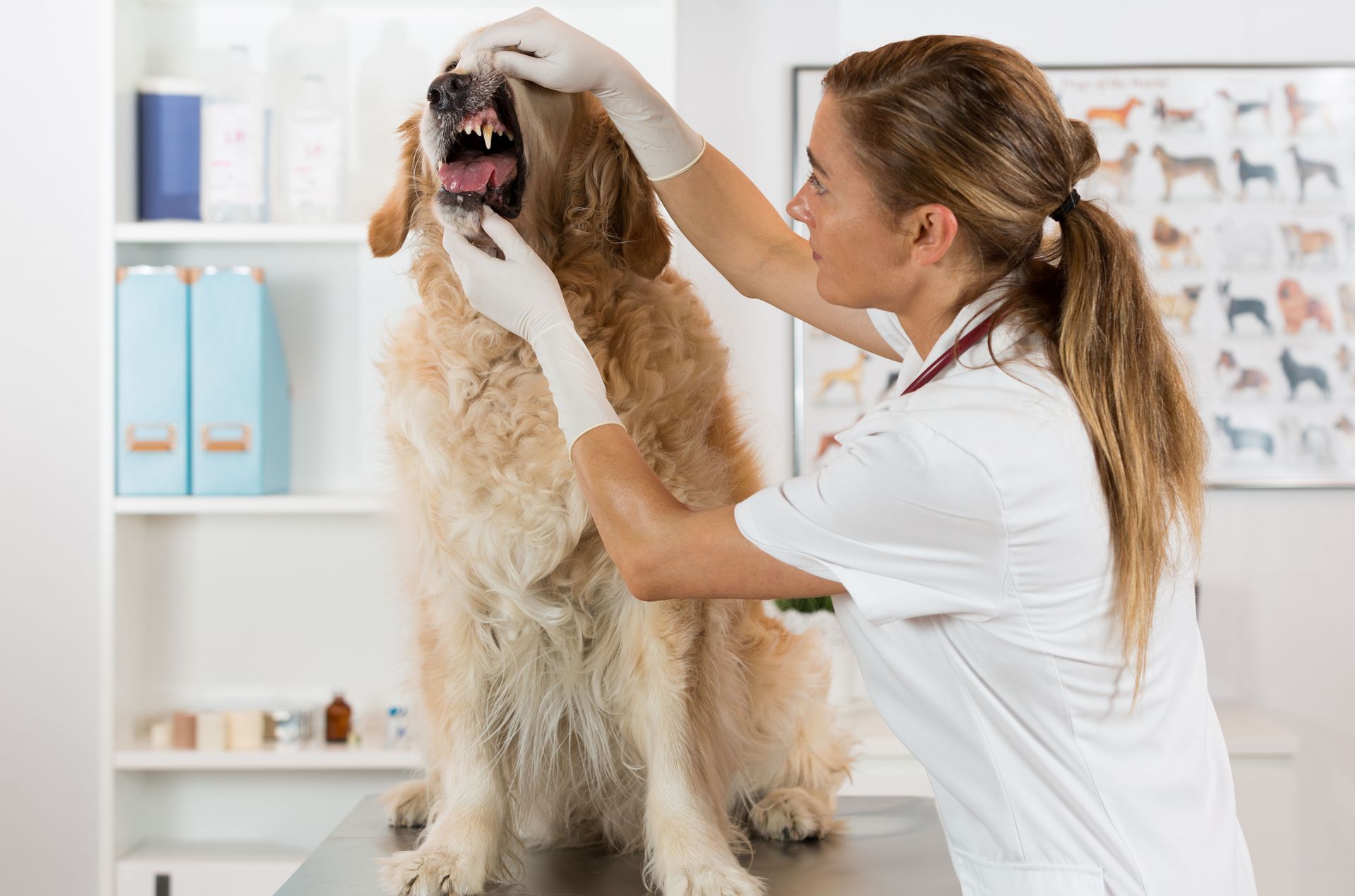
Beyond physical treatments, preventative care encompasses extensive client education regarding weight management, behavioral modification, and age-appropriate nutrition. Obesity remains a significant health threat in the domestic companion population, often predisposing individuals to diabetes, joint degeneration, and cardiovascular strain. Through proactive nutritional counseling and body condition scoring, veterinary teams help families design sustainable exercise and feeding regimes. Furthermore, dental hygiene represents a frequently overlooked aspect of preventative wellness. Periodontal disease can cause localized pain and tooth loss, but more importantly, it serves as a gateway for bacteria to enter the bloodstream, potentially damaging vital organs such as the heart, liver, and kidneys. Routine professional dental cleanings form an essential defensive strategy.
Restoring Mobility With Surgical Care
When structural injuries, congenital anomalies, or soft tissue pathologies compromise a companion's well-being, surgical intervention often becomes the path toward restoration and relief. Modern animal hospitals feature sterile, state-of-the-art surgical suites equipped with advanced monitoring systems that track heart rate, oxygen saturation, blood pressure, and core temperature throughout every procedure. Veterinary surgeons perform a wide array of operations, ranging from routine elective sterilizations to intricate orthopedic reconstructions and complex oncological removals.
Following surgery, dedicated veterinary technicians monitor the recovery process closely, ensuring a smooth and gentle transition out of anesthesia. The implementation of modern laser therapy and rehabilitative medicine post-surgery further accelerates tissue healing and restores joint functionality. Whether addressing a torn ligament, repairing a fracture, or removing an internal mass, the surgical team operates with extreme precision, utilizing sterile techniques and advanced instrumentation to minimize complications and reduce recovery times.
Supporting Families and Companions
The scope of exceptional veterinary care extends far beyond physical treatments to encompass emotional and educational support for human families. The modern veterinary community recognizes that the financial and emotional investment in companion animals is substantial. According to the APPA, $152 billion was spent on pets in 2024, with projections reaching $157 billion for 2025. This significant economic commitment reflects the deep integration of companions into modern households. Acknowledging this profound bond, full-service animal hospitals offer extensive resources to guide families through every stage of ownership, including behavioral counseling, grief support, and end-of-life care.
When the time comes to say goodbye, veterinary teams provide compassionate, dignified hospice and euthanasia services, ensuring that a companion's final moments are peaceful and surrounded by love. By nurturing the human-animal bond and treating families with genuine empathy, these institutions become pillars of support within the local community. Compassionate communication, transparent medical explanations, and educational workshops help demystify veterinary medicine, building an enduring bridge of trust between the hospital staff and the pet parents they serve. This comprehensive support network ensures that guardians never feel isolated or unequipped to handle the responsibilities of pet ownership.
Ensuring the long-term health and happiness of our companions requires a multifaceted approach that encompasses routine prevention, advanced diagnostics, precise surgery, and immediate emergency responsiveness. Full-service animal hospitals serve as the ultimate guardians of this delicate bond, offering a sanctuary where medical expertise and deep compassion merge. By providing a comprehensive array of services tailored to individual needs, these institutions ensure that our beloved companions receive the highest standard of care throughout their journey. At Western Animal Hospital, we are collectively dedicated to delivering this complete, compassionate pet care, standing by your side as a trusted partner through every milestone and medical need. Together, we can build a healthier, brighter, and more vibrant future for the cherished companions who enrich our lives every single day.