December 26, 2025
Regular veterinary checkups are one of the most effective ways to protect your pet’s long-term health and overall quality of life. While many pet owners only think about scheduling a veterinary visit when something seems wrong, preventive care is often what makes the biggest difference in avoiding serious medical issues. Routine checkups allow a local veterinarian to monitor your pet’s health consistently, track changes over time, and address concerns before they escalate into more complex conditions.
Pets age faster than humans, and subtle health changes can occur quickly. Regular veterinary visits provide structure and continuity, ensuring that your pet’s wellness needs are met at every life stage. From early development through senior years, these appointments serve as an essential foundation for proactive and informed pet care.
What Are the Benefits of Regular Veterinary Checkups?
The primary benefit of regular veterinary checkups is prevention. During routine visits, a local veterinarian evaluates your pet’s physical condition, behavior, weight, and vital signs to identify early indicators of illness. Even small changes, such as minor weight loss or shifts in activity level, can provide valuable clues about underlying health concerns.
Consistent checkups also ensure that preventive treatments remain current. Vaccinations, parasite control, dental care, and nutritional guidance all contribute to a comprehensive approach to wellness. By addressing these needs routinely, pet owners can significantly reduce the likelihood of infections, infestations, and chronic disease progression.
Another important benefit is education. A local veterinarian provides guidance tailored to your pet’s breed, age, and lifestyle, helping owners make informed decisions about diet, exercise, and daily care. Over time, this collaborative relationship improves communication and trust, making it easier to manage health concerns when they arise.
The importance of veterinary care is reflected in industry growth. Research shows that veterinary hospitals and clinics are expanding globally, with the veterinary hospital market valued at over sixty billion dollars in 2024. This growth underscores the increasing emphasis on routine checkups and preventive care as essential components of responsible pet ownership.
How Often Should I Take My Pet to the Local Veterinarian?
The recommended frequency of veterinary visits varies based on several factors, including species, age, and overall health. For most healthy adult pets, an annual visit to a local veterinarian is sufficient to maintain wellness and monitor changes. These yearly exams provide a comprehensive snapshot of your pet’s health and allow for timely updates to preventive care plans, including vaccinations, parasite prevention, and nutritional guidance tailored to your pet’s lifestyle.
Young pets require more frequent visits, especially during their first year. Puppies and kittens typically need multiple appointments for vaccinations, growth monitoring, and early behavioral assessments. These early visits help establish a health baseline and set the stage for long-term wellness while also giving pet owners the opportunity to ask questions and address concerns during critical developmental stages.
Senior pets often benefit from more frequent checkups, as aging increases the risk of chronic conditions such as arthritis, diabetes, kidney disease, and heart problems. A local veterinarian may recommend biannual visits for older pets to monitor organ function and mobility more closely, as well as to adjust care plans as age-related changes emerge.
Pets with existing medical conditions may require customized care schedules. Regular monitoring ensures that treatment plans remain effective and adjustments can be made promptly in response to changes in symptoms or test results. Following the guidance of a local veterinarian helps balance proactive care with your pet’s comfort and quality of life, supporting better long-term outcomes.
What Should I Expect During a Routine Veterinary Checkup?
A routine veterinary checkup is designed to provide a thorough assessment of your pet’s overall health. The visit often begins with a discussion about your pet’s diet, activity level, behavior, and any changes you have observed since the last appointment. This conversation helps the local veterinarian tailor the examination to your pet’s specific needs while also identifying potential concerns that may require closer attention or follow-up care.
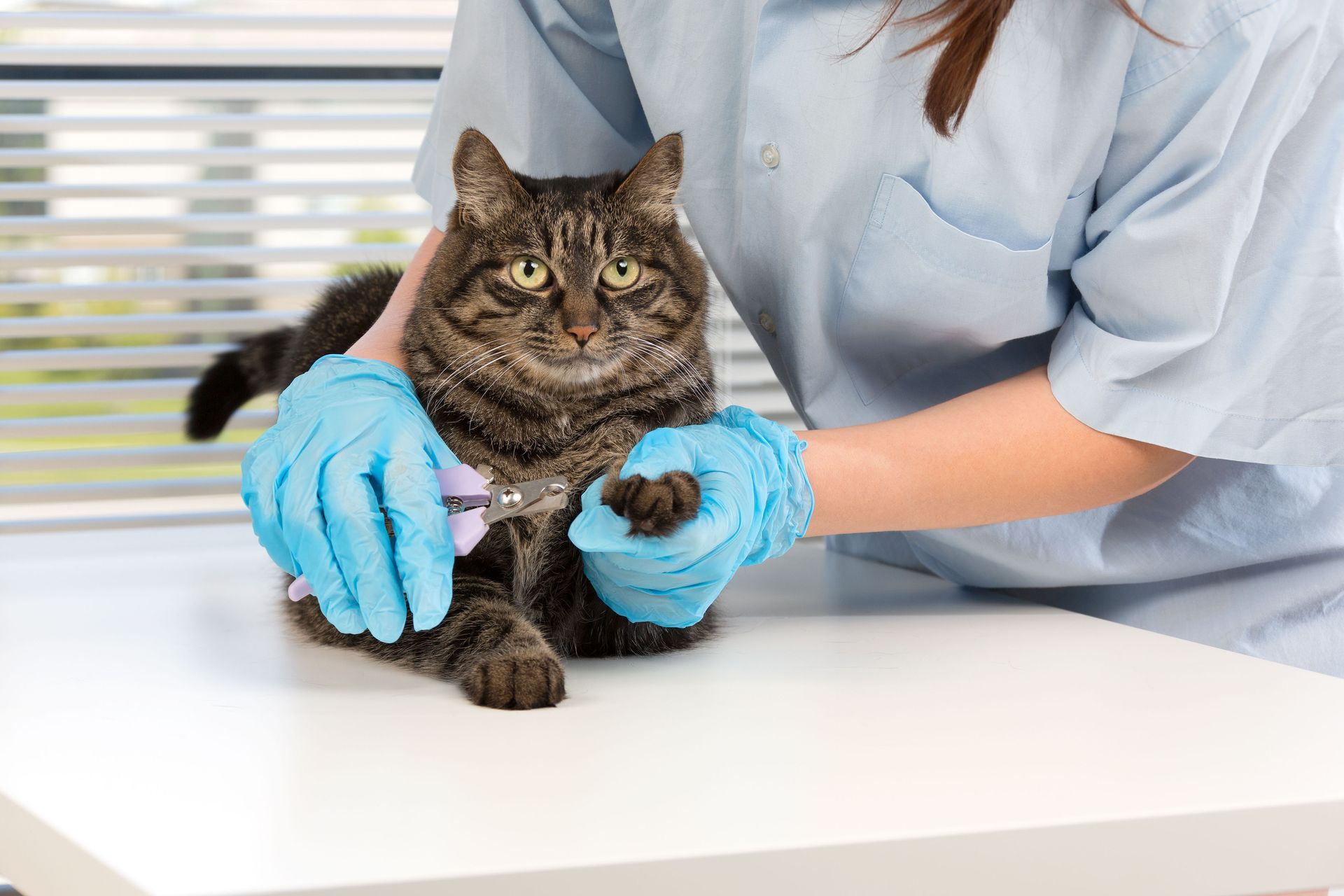
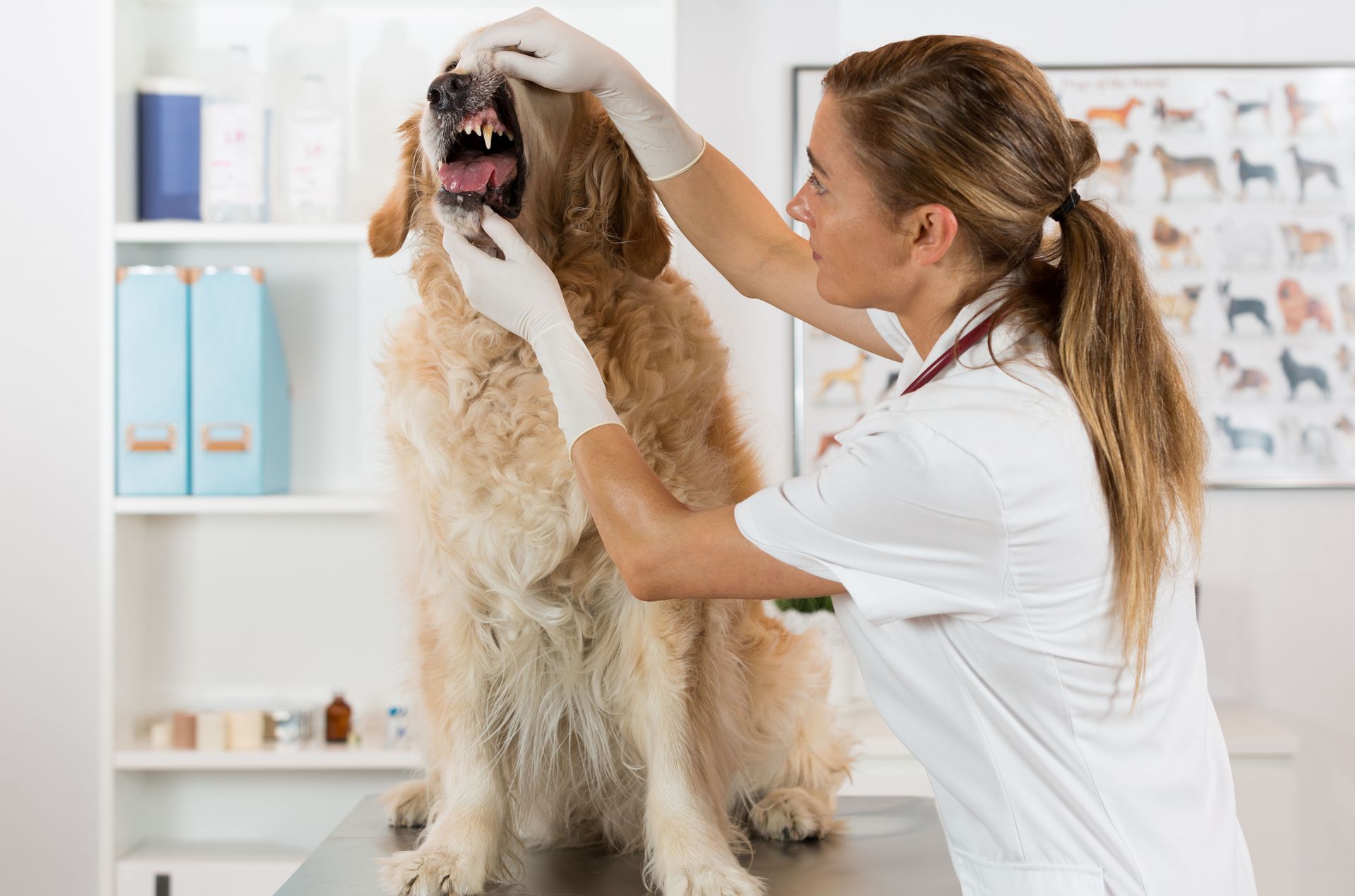
The physical exam typically includes checking the eyes, ears, teeth, skin, and coat, as well as listening to the heart and lungs. The veterinarian may evaluate joint movement, muscle tone, and body condition to assess mobility and weight management. These hands-on evaluations help identify issues that may not be immediately visible at home, such as early dental disease, subtle joint stiffness, or skin irritations developing beneath the fur.
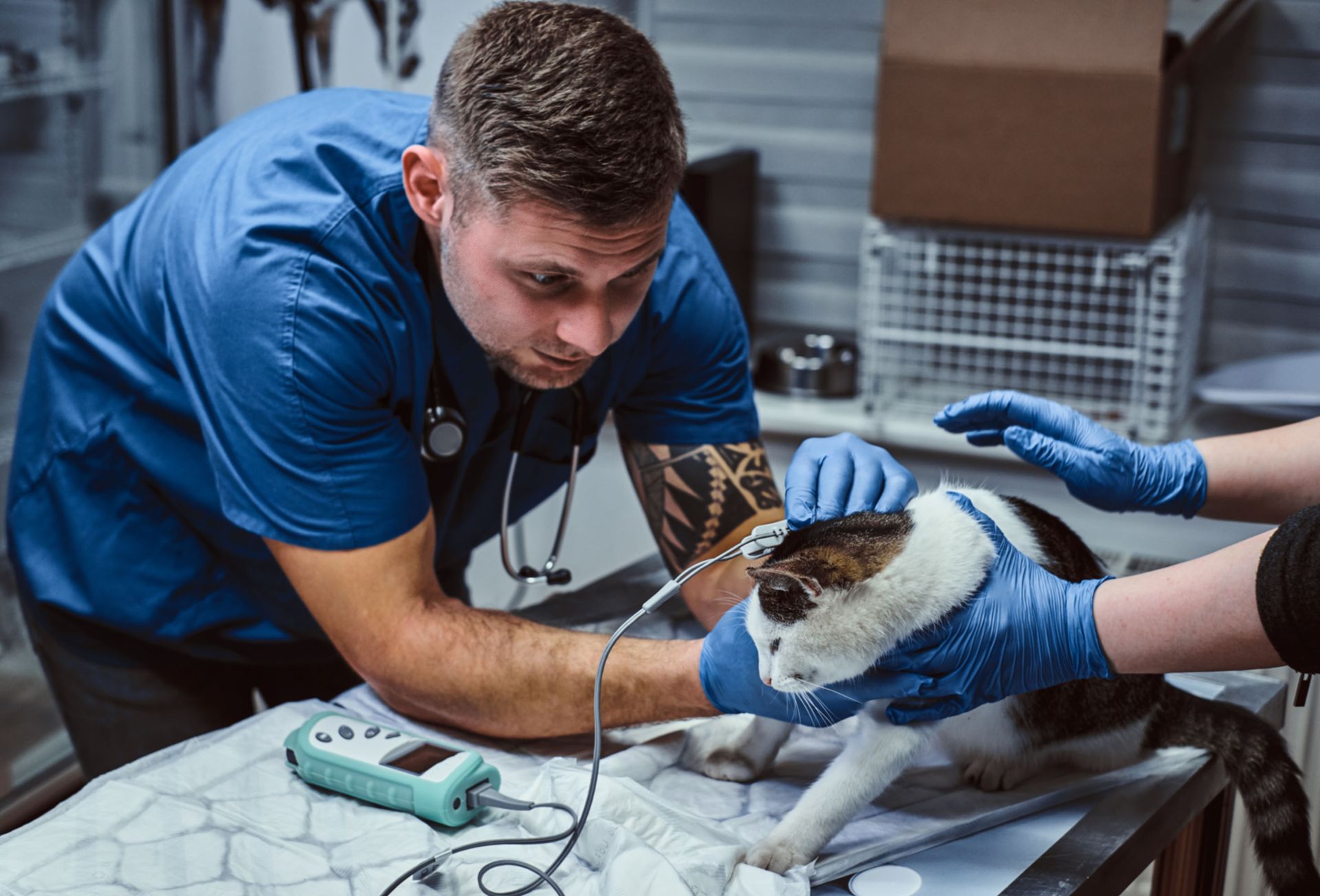
Depending on age and health history, diagnostic tests such as bloodwork, urinalysis, or fecal screenings may be recommended. Preventive services, including vaccinations and parasite prevention, are often addressed during the visit to help protect against common illnesses and infections. By the end of the appointment, pet owners usually receive personalized recommendations and guidance for ongoing care from their local veterinarian, along with clear instructions for any next steps or follow-up visits.
How Do Regular Checkups Help in Early Detection of Health Issues?
Early detection is one of the most valuable advantages of routine veterinary care, and its importance is reflected in the continued growth of the veterinary industry. According to Grand View Research, the global veterinary hospital market was valued at approximately USD 61.64 billion in 2024, highlighting the increasing reliance on professional veterinary services for preventive care and early diagnosis. Regular visits to a local veterinarian allow subtle health changes to be identified through routine exams and screenings before symptoms become obvious. By catching issues early, veterinarians can intervene sooner, improving treatment outcomes, reducing long-term medical costs, and helping pets maintain a higher quality of life as they age.
Conditions such as dental disease, obesity, skin disorders, and internal organ dysfunction can often be managed more effectively when caught early. Routine exams and screenings provide insight into your pet’s internal health, allowing veterinarians to detect abnormalities before symptoms become obvious. Addressing these concerns early can slow disease progression and help prevent secondary complications.
Tracking health data over time enables a local veterinarian to recognize patterns and subtle changes that might otherwise go unnoticed. This continuity of care is essential for managing chronic illnesses and supporting aging pets as their needs evolve. Early intervention not only improves treatment outcomes but can also reduce long-term medical expenses and improve your pet’s comfort and overall quality of life.
How Can I Prepare My Pet for a Visit to the Local Veterinarian?
Proper preparation can make veterinary visits less stressful for both pets and owners. Helping your pet become comfortable with gentle handling at home can make exams feel more familiar. Practicing short car rides or carrier use can also reduce anxiety associated with travel.
Choosing appointment times when your pet is typically calm can help create a more relaxed experience. Bringing familiar items, such as a favorite toy or blanket, can provide reassurance. Sharing accurate information about your pet’s habits, diet, and behavior helps the local veterinarian conduct a more efficient and thorough evaluation.
For pets that experience significant anxiety, discussing calming strategies in advance is beneficial. A local veterinarian may recommend behavioral techniques or supportive solutions to improve future visits. Preparation not only eases stress but also ensures that appointments are productive and focused on your pet’s needs.
Regular veterinary checkups are essential for maintaining your pet’s health, detecting issues early, and providing preventive care tailored to each stage of life. By committing to routine visits with a
local veterinarian, pet owners can support long-term wellness while reducing the risk of serious medical problems. Consistent care strengthens the partnership between pet and provider, helping ensure a healthier, more comfortable life for your companion. If you're looking for a reputable and compassionate vet, reach out to the team at Western Animal Hospital today!